


Kolkata|24th April 2026:
With trauma emerging as one of the leading causes of death and disability across India, healthcare experts have called for a stronger, more coordinated national approach focusing on prevention, timely intervention & advanced treatment to improve patient outcomes and save lives.
The observations were shared during a press conference titled “Rebuilding Lives: Advancing Trauma Care in India,” where leading clinicians and industry representatives highlighted the growing burden of road traffic accidents & osteoporosis-related fragility fractures across the country.
Experts noted that India continues to record a high number of road accidents, particularly affecting young & economically productive individuals. Such incidents frequently lead to serious injuries including long bone fractures, pelvic trauma, and multi-system complications.
Speaking at the event, Dr. Rakesh Rajput emphasized the importance of immediate medical response.
“Timely intervention during the golden hour can make the difference between life & death, or between permanent disability and full recovery. Strengthening emergency response systems & increasing awareness about road safety are critical steps toward reducing this burden,” he said.
Alongside high-energy trauma cases, experts also raised concern over the increasing incidence of fragility fractures among elderly citizens, often caused by low-impact falls linked to Osteoporosis.
Dr. Rajesh Kushwaha highlighted that osteoporosis frequently remains undiagnosed until fractures occur.
“Early screening, lifestyle changes, & timely treatment can significantly reduce fracture risk and improve quality of life,” he added.
Over the past decade, trauma care in India has witnessed significant progress in surgical techniques, implant technologies, minimally invasive procedures, enabling faster recovery & better patient outcomes. Experts also stressed the importance of continuous surgeon training & standardized treatment protocols to ensure consistent quality care across healthcare centres nationwide.They further emphasized that addressing trauma effectively requires strong collaboration among healthcare providers, policymakers, industry stakeholders, and the wider community.
Concluding the discussion, the panel urged stakeholders to recognize trauma as a major public health priority.
“Trauma is not just a medical challenge—it is a societal one. With the right focus on prevention, timely care, and rehabilitation, we can significantly reduce its impact and help patients return to their normal lives,” the experts noted.
Disclaimer: Issued in public interest by Medtronic for general information &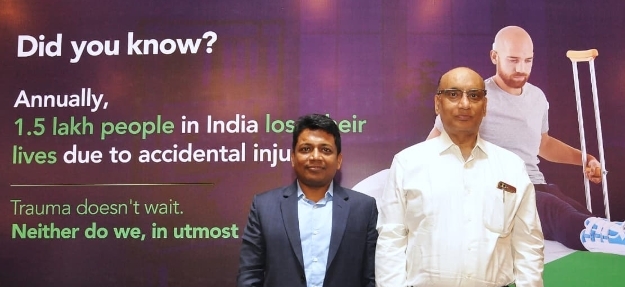 awareness purposes only. This communication does not constitute medical advice. Patients should consult qualified physicians regarding their symptoms and treatment needs.

